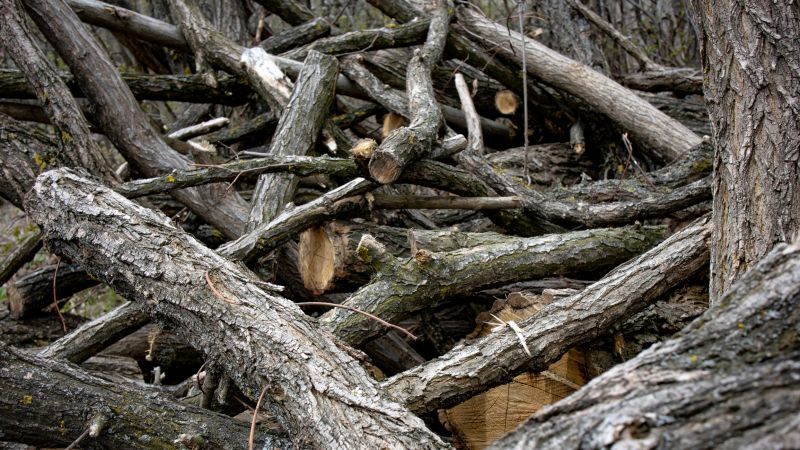
Tree Debris Removal in Honolulu, HI
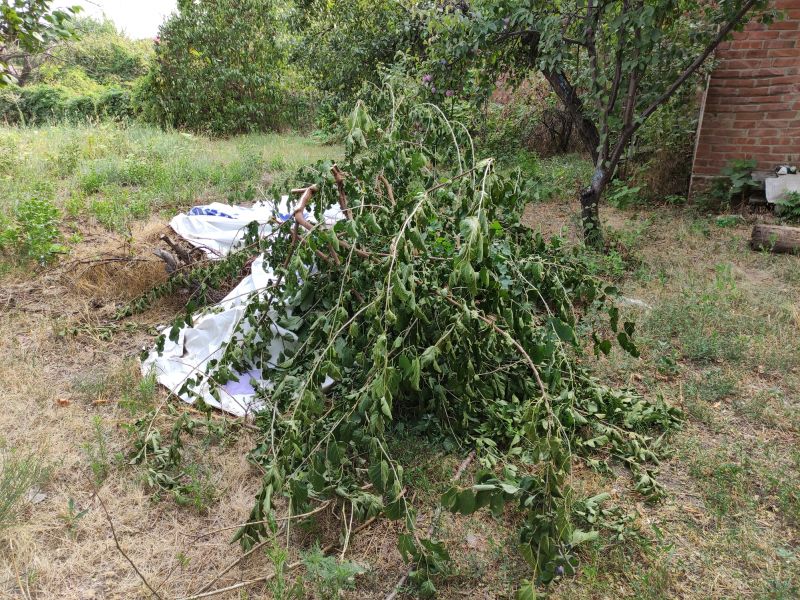
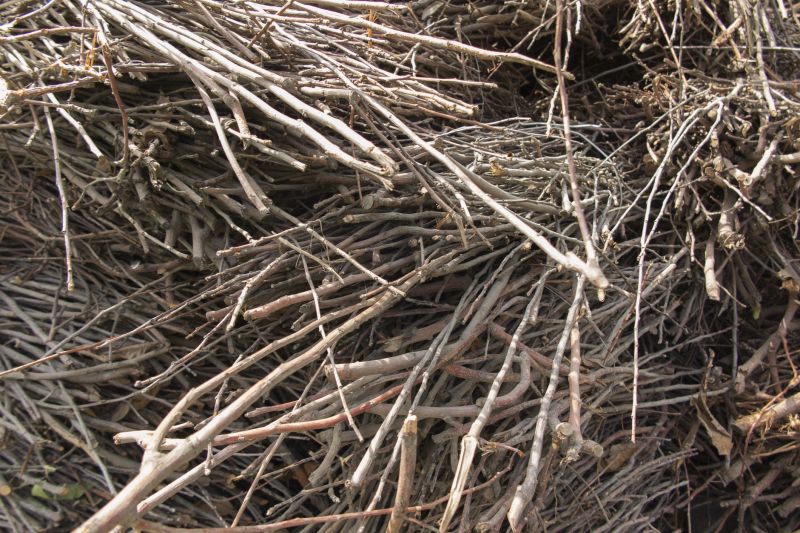
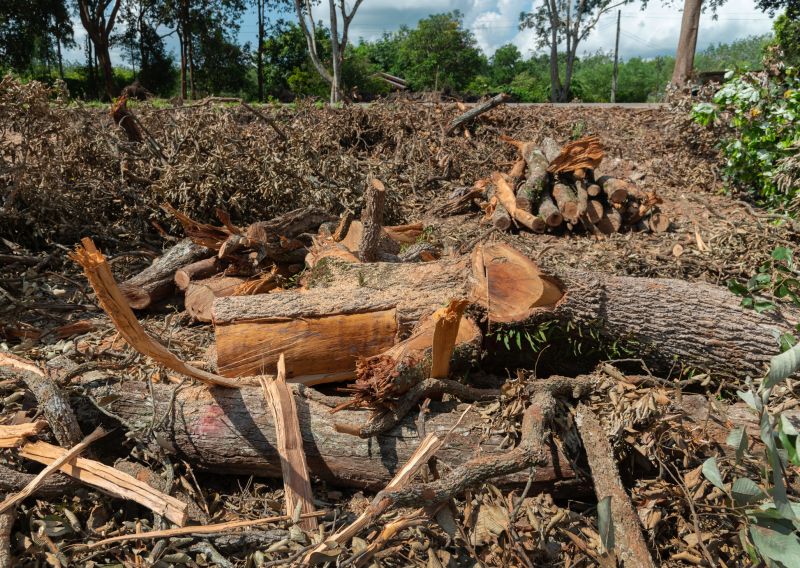
Tree debris removal services involve clearing away fallen branches, leaves, and other organic material resulting from storms, pruning, or general yard cleanup. This service is commonly requested for projects such as post-storm cleanup, seasonal yard maintenance, or preparing a property for landscaping. Property owners should understand the scope of debris that can be managed, the importance of timely removal to prevent potential damage or hazards, and the types of equipment used to safely and efficiently clear large or heavy materials from lawns, driveways, and landscaped areas.
Before requesting tree debris removal, homeowners often want to know about the extent of debris on their property and whether the service includes disposal or recycling of the materials. It’s helpful to consider the size and quantity of debris, any access restrictions, and specific cleanup goals. Clarifying these details can ensure the service meets the property’s needs, whether for a one-time cleanup or ongoing yard maintenance.
Many property owners in Honolulu, HI look into Tree Debris Removal for repairs, replacements, upgrades, and appearance-related improvements.
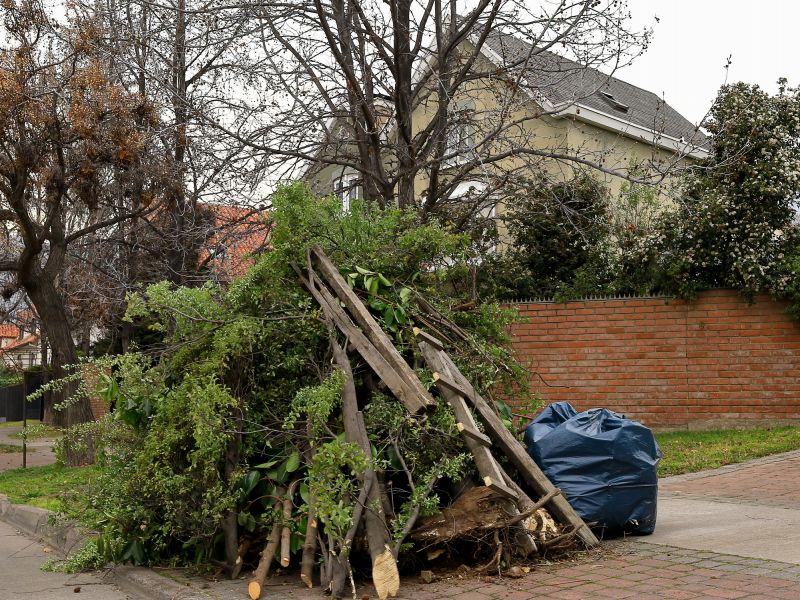
Storm Cleanup And Debris Removal
Clearing fallen branches and leaves after storms to restore safety and appearance.
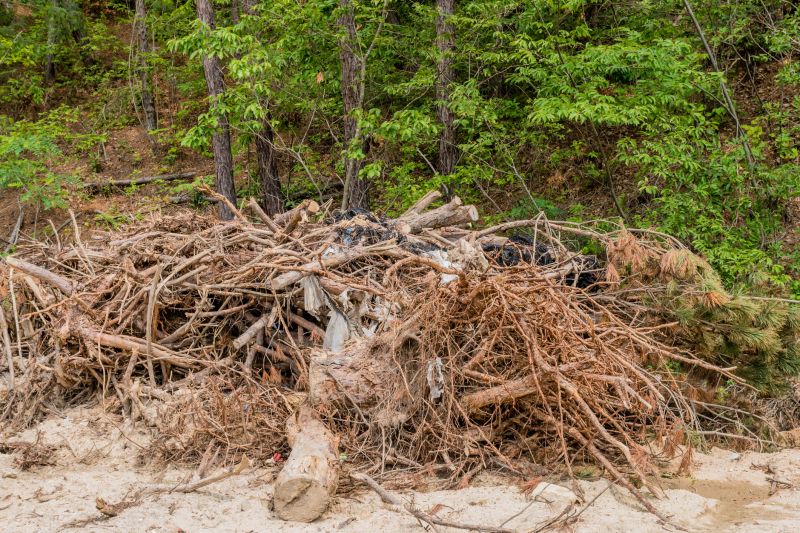
Yard Maintenance And Tree Cleanup
Removing dead or overgrown branches to maintain a tidy and healthy landscape.
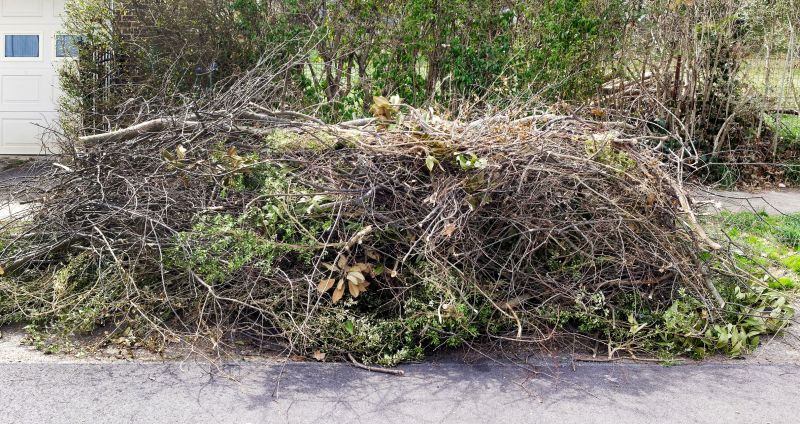
Emergency Tree Debris Clearing
Quickly removing debris caused by storms or accidents to prevent property damage.
Tree Debris Removal in Honolulu, HI

Tree debris removal services involve clearing away fallen branches, leaves, and other organic material resulting from storms, pruning, or general yard cleanup. This service is commonly requested for projects such as post-storm cleanup, seasonal yard maintenance, or preparing a property for landscaping. Property owners should understand the scope of debris that can be managed, the importance of timely removal to prevent potential damage or hazards, and the types of equipment used to safely and efficiently clear large or heavy materials from lawns, driveways, and landscaped areas.
Before requesting tree debris removal, homeowners often want to know about the extent of debris on their property and whether the service includes disposal or recycling of the materials. It’s helpful to consider the size and quantity of debris, any access restrictions, and specific cleanup goals. Clarifying these details can ensure the service meets the property’s needs, whether for a one-time cleanup or ongoing yard maintenance.
Many property owners in Honolulu, HI look into Tree Debris Removal for repairs, replacements, upgrades, and appearance-related improvements.
Common Tree Debris Removal Jobs
Tree Debris Removal - Clearing fallen branches and leaves from lawns and driveways.
Storm Cleanup - Removing storm-damaged branches and tree parts after severe weather.
Yard Maintenance - Regularly removing debris to keep outdoor spaces tidy and safe.
Emergency Tree Debris Removal - Quickly clearing debris after unexpected tree damage or failure.
Property Cleanup - Removing accumulated tree debris from hardscapes and landscaping areas.
Seasonal Tree Debris Clearing - Preparing yards for new seasons by removing accumulated debris.
Tree Debris Removal Questions
What types of tree debris removal services are available? Services include removal of fallen branches, storm debris, and cleared yard waste to maintain a tidy landscape.
When should tree debris be removed? Debris should be cleared after storms, pruning, or when it begins to accumulate and affect the appearance or safety of the property.
Is tree debris removal suitable for large or hazardous branches? Yes, services can handle large, heavy, or hazardous branches safely and efficiently.
What should property owners consider before scheduling debris removal? Consider the extent of debris, accessibility of the area, and any local regulations regarding yard waste disposal.
Request Tree Debris Removal in Honolulu, HI
Use the quote form on this page to share the basics of your project and request more information for the type of work you need.